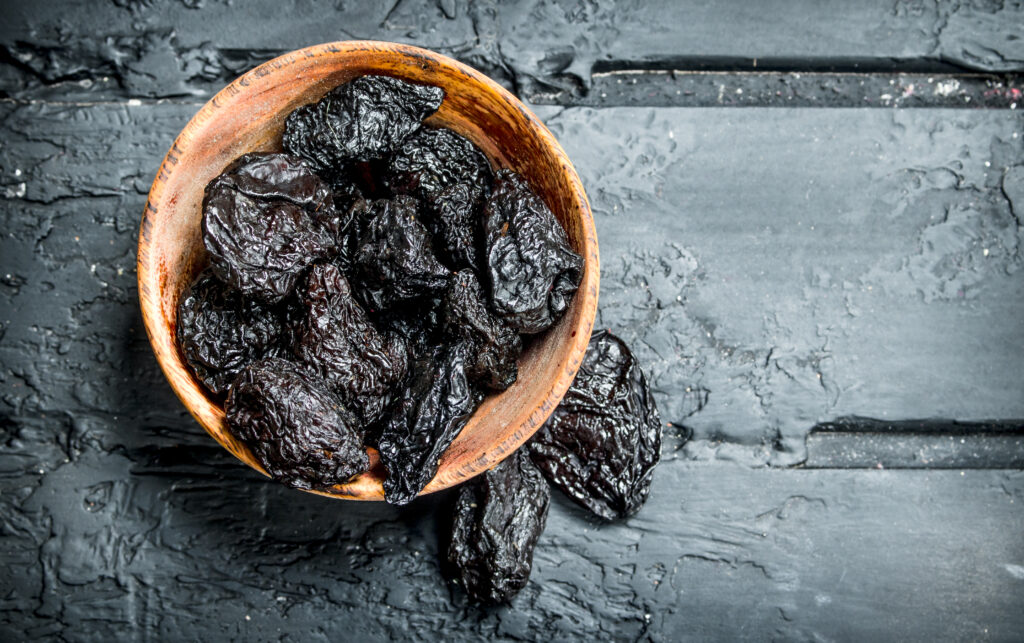
If you are looking for a reliable prunes supplier and exporter in Turkey, you are not alone. Buyers from Europe, Asia, and North America have been turning to Turkey for dried fruits for many years now.
Prunes are becoming a bigger part of that trade. This guide breaks down what Turkish prunes are about, how sourcing works, and what to check before you place a bulk order.
What Are Prunes?
Prunes are dried plums. The variety most commonly used is Prunus domestica. When plums dry out properly, they become chewy, sweet, and shelf-stable for a long time.
The drying process pulls out moisture and naturally concentrates the sugars. That is why prunes taste sweeter than a fresh plum straight off the tree. Most of the nutritional value stays intact, too.
People use prunes in plenty of ways:
- Eaten alone as a simple snack.
- Stirred into yogurt, oats, or breakfast bowls.
- Baked into breads, cakes, and energy bars.
- Cooked into meat dishes and stews.
- Included in health meal plans and fitness diets.
The reason demand keeps growing is straightforward. Prunes are practical, naturally sweet, and carry real nutritional value. Fiber, potassium, iron, and vitamin K, they have a lot going on for a small dried fruit. Health-conscious buyers in particular keep coming back to them.
Why Source Prunes from Turkey
Turkey is one of the top dried fruit-producing countries in the world. Most people connect it to apricots, and Malatya especially. But prunes are growing in importance too.
The climate across parts of Turkey suits fruit growing very well. Long sunny days, warm weather, and good soil let plums ripen slowly. Slow ripening builds up natural sugar and flavor. You can taste the difference in the final dried product.
Malatya has something else going for it beyond the climate. Decades of hands-on experience with dried fruit handling.
Growers and producers here understand the full process from picking at the right time to drying, grading, and packing for export. That kind of experience is hard to fake, and it shows up in the consistency of the product batch after batch.
How the Whole Export Process Works
There is a lot that happens between the orchard and your delivery. A good supplier manages each step carefully.
It starts at the farm. The right plum variety has to be grown and harvested at the correct stage of ripeness. Pick too early, and the flavor is not there. Pick too late, and the texture suffers.
After harvest, the plums go through drying. Modern facilities use controlled drying methods. Some producers also use traditional sun-drying for a more natural result. Either way, the goal is to preserve flavor and nutrients while reducing moisture to safe levels.
The drying process is followed by cleaning and sorting the prunes into sizes. The grading step is important as buyers want consistency.
Some standardized grades of prunes by size are:
- Jumbo: 10-20 per pound
- Extra Large: no more than 25 per pound
- Large: 25-40 per pound
- Medium: 40-60 per pound
- Small: 60-85 per pound
- Bite Size: smaller pieces, normally packed separately
Following the grading step, the prunes will then be stored in warehouses that provide vacuum-packing and temperature-controlled environments.
Then the export team takes over, handling shipping paperwork, customs documents, and getting the order out on time.
Certifications You Should Ask For
Certifications related to food safety are mandatory in global commerce. It indicates that the producer abides by the proper practices of hygiene, food safety, and traceability during manufacturing.
When you narrow down your search for a prunes producer, check:
- FSSC 22000
- ISO 22000
- HACCP
- Organic Certification, in case you require organic prunes
European and North American customers require certified producers as a must-have condition. No supermarket chains, food manufacturers, or distributors in Europe and North America will collaborate with them without proper certifications.
Sustainable Sourcing Is a Real Conversation Now
More buyers in 2026 are asking questions beyond price and delivery time. They want to know how the product is grown, how farmers are treated, and what the environmental footprint looks like.
Responsible suppliers work with farmers who follow cleaner growing practices. They use energy-efficient drying equipment, manage waste properly, and choose recyclable packaging where possible. Fair treatment and fair pay for the people growing the fruit is part of the picture, too.
When a supplier takes these things seriously, it usually reflects well on their overall operation. Good ethics and good quality tend to go together.
Malatya Apricot: A Trusted Prunes Supplier and Exporter Based in Turkey
Malatya Apricot is a dried fruit supplier and exporter operating out of Battalgazi, Malatya, Turkey. They are well known for their premium dried apricots, but their product range goes well beyond that. Prunes are part of what they export to buyers globally.
What They Offer
Their prunes are handled completely in-house, from sourcing, drying, grading, packing, and shipping. They offer multiple size grades and can work with both retail packaging and large bulk orders, depending on what the buyer needs.
Beyond prunes, their product range covers:
- Conventional, natural, organic, and diced dried apricots
- Dried figs, raisins, and dates
- Cashews, almonds, and apricot kernels
- Freeze-dried and frozen fruits and vegetables
- Dried tomatoes and a broader range of dried fruits and nuts
Why Buyers Work With Them
Malatya Apricot does not overcomplicate things. They focus on delivering the same quality consistently, keeping certifications up to date, and making sure orders arrive on time.
Reasons buyers keep coming back:
- Certified facility meeting international food safety standards.
- Vacuum-packed and temperature-controlled storage.
- Flexible packaging for retail and wholesale needs.
- Export team that handles full documentation and logistics.
- Honest pricing without sacrificing product quality.
- Focus on long-term supplier relationships, not one-off transactions.
Get in touch directly at export@malatyaapricot.com or visit their website malatyaapricot.com.
Closing Thoughts
Choosing the right prunes supplier and exporter is about more than finding the lowest quote. It is about a consistent product, a smooth export process, and a supplier you can actually build a relationship with.
Turkey, and Malatya in particular, brings all of that to the table. If prunes are on your sourcing list for 2026, it is a region worth looking at seriously.