Walk into any grocery store today, and you will find freeze-dried fruits sitting right next to the fresh produce section. Some people reach for them without a second thought. Others wonder whether they are actually worth buying or if fresh fruit is always the smarter pick.
If you have had that question, you are not alone. It comes up a lot, especially among people trying to eat better without overcomplicating their routine. The truth is, neither option is perfect for every situation. Both have real benefits, and both have trade-offs. Once you understand what each one actually does to the fruit, the choice becomes a lot clearer.
This blog breaks down the real differences between freeze-dried fruits and fresh fruits, what happens to nutrients in each, and which one actually makes more sense depending on your lifestyle.
Understanding the Process: What Actually Happens to the Fruit
Fresh fruit is picked, packed, and shipped. By the time it reaches your kitchen, several days have usually passed since harvest. That time matters more than most people realize, because nutrients in fresh fruit start degrading almost immediately after picking.
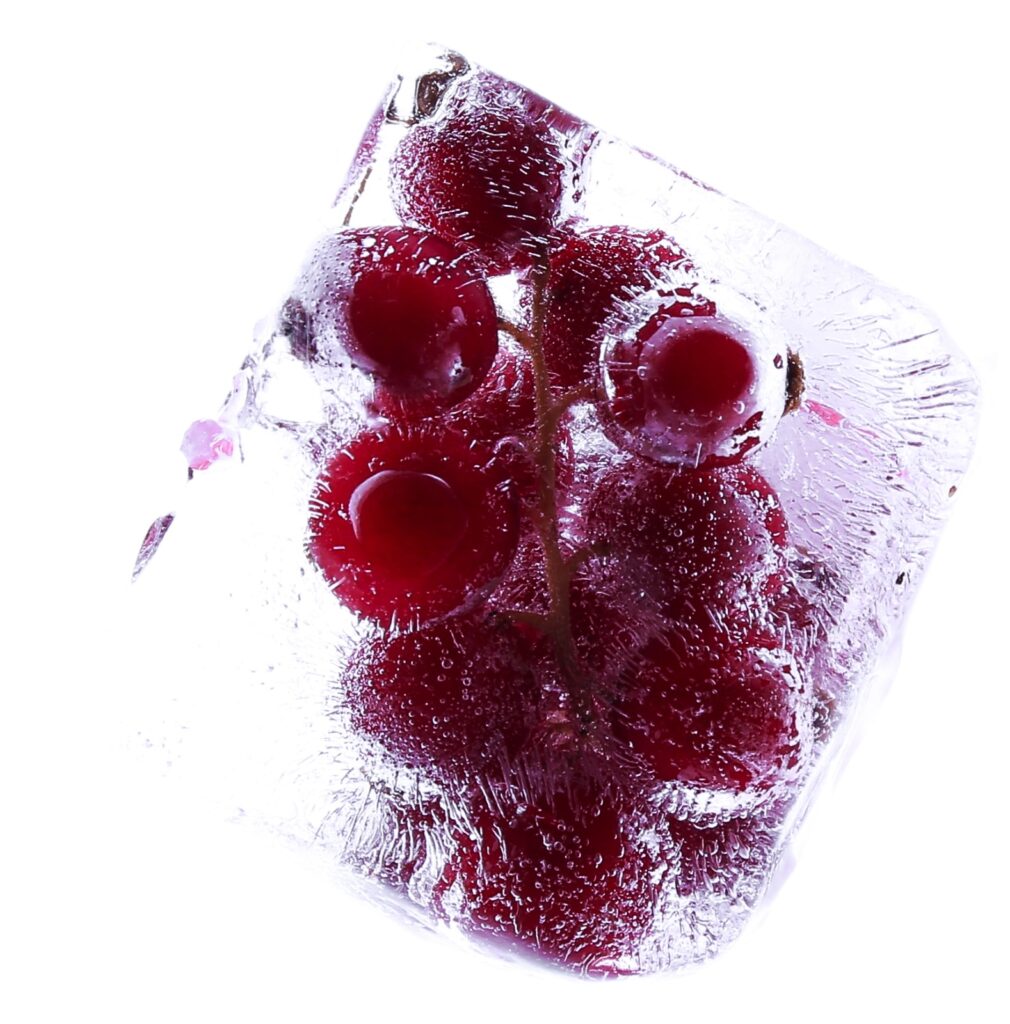
Freeze drying works differently. The fruit is harvested at peak ripeness, then frozen rapidly at temperatures between -40°C and -80°C. After that, it goes through a process called sublimation, where the frozen water inside the fruit converts directly into vapor without passing through a liquid stage. What remains is the fruit’s original structure, flavor, color, and most of its nutritional content, all without adding a single preservative.
Nutritional Value: How Fresh and Freeze-Dried Fruits Actually Compare
People assume fresh always means more nutritious. That assumption is worth questioning.
1. Fresh Fruit and What It Delivers
Fresh fruit eaten shortly after harvest is genuinely hard to beat. It carries vitamins, minerals, dietary fiber, antioxidants, and water all together in one natural package. Vitamin C, potassium, folate, and various plant compounds all show up in good amounts. The water content also helps with hydration, which is something that often gets overlooked.
The problem is that the word “fresh” covers a wide range. Fruit picked three weeks ago and kept in cold storage is technically fresh, but its nutrient content tells a different story. Some studies suggest fresh produce can lose anywhere from 15 to 50 percent of certain vitamins between harvest and the time it is eaten, depending on storage time and conditions.
2. What Freeze-Dried Fruit Actually Retains
Because freeze drying removes moisture without applying heat, it protects nutrients that heat-based drying methods destroy. Vitamin C, in particular, survives much better through freeze drying than through conventional drying. Research consistently puts nutrient retention in freeze-dried fruit at around 90 to 95 percent of the original fresh fruit values.
The fiber stays in. The minerals stay in. The natural flavor compounds stay in. What is left is only the water. The global freeze-dried food market crossed USD 66 billion in 2023, and that growth is being driven largely by health-conscious consumers who want nutritious, clean-label food that does not spoil quickly.
Where Fresh Fruit Holds a Clear Advantage
There are genuine areas where fresh fruit comes out ahead, and it is worth being honest about them.
- The water content in fresh fruit contributes to daily hydration in a way freeze-dried fruit simply cannot match.
- Per serving by weight, fresh fruit tends to deliver fewer calories and less concentrated natural sugar.
- Fresh fruit is widely available, generally affordable, and requires no preparation whatsoever.
- The texture, juiciness, and eating experience of a ripe piece of fruit is something freeze-drying cannot fully replicate.
If you have access to good-quality, recently harvested fruit, eating it fresh is one of the simplest things you can do for your health. The nutritional profile at that point is genuinely excellent.
Where Freeze-Dried Fruit Has the Upper Hand
Freeze-dried fruit solves problems that fresh fruit simply cannot, and for many people, those problems come up every single day.
- Shelf life is the most obvious advantage. Properly stored freeze-dried fruit stays good for months or even years without losing quality. Fresh fruit lasts for days.
- Freeze-dried fruit is lightweight and compact, making it easy to carry without worrying about bruising or spoiling.
- It contains no preservatives or additives when produced correctly, making it a genuinely clean-label snack option.
- It works across a wide range of recipes, including cereals, granolas, baked goods, chocolates, and smoothies, without adding unwanted moisture.
- It is available year-round regardless of what is in season locally.
Malatya Apricot produces freeze-dried blackberries, cherries, mulberries, bananas, raspberries, strawberries, apricots, melon, and more. Each batch starts with fruit selected at peak ripeness from local farms. The freeze-dry facility runs on solar energy, keeping the production process environmentally responsible from start to finish.
The Sugar Concentration Factor: Something Worth Knowing
When water is removed from fruit, everything else becomes more concentrated, including the natural sugars. A small handful of freeze-dried mango carries the same natural sugar as a much larger portion of fresh mango, just packed into a much smaller volume.
This does not make freeze-dried fruit unhealthy. The sugar is still natural, not added. But portion size matters more with freeze-dried fruit than it does with fresh. For people managing blood sugar or simply watching their overall intake, keeping an eye on how much they eat at once is a practical habit worth building.
Fresh fruit, because of its water weight, tends to fill you up faster on fewer grams of sugar. That is a real advantage in certain situations.
Choosing What Actually Works for Your Lifestyle
There is no single right answer here because people’s lives are different. What makes sense depends on your access to fresh produce, your daily routine, and what you are actually trying to get out of your diet.
Fresh fruit makes more sense when:
- You have access to locally grown, recently harvested produce.
- Hydration from food is something you actively try to support.
- You prefer eating whole fruit rather than a processed product.
- You are watching your sugar concentration per serving closely.
Freeze-dried fruit makes more sense when:
- Fresh options are out of season, expensive, or hard to find.
- You need something with a long shelf life for travel, storage, or everyday convenience.
- You want a preservative-free snack that you can carry anywhere.
- You are adding fruit to recipes and do not want extra moisture affecting the result.
For most people, the practical answer is to use both. Fresh fruit when it is genuinely fresh and available. Freeze-dried fruit when you need something that lasts, travels, or fits into cooking in a way fresh fruit simply cannot.
Malatya Apricot: Your Trusted Freeze-Dried Fruit Supplier
The Malatya Apricot Company is a supplier, manufacturer, and exporter of dried and freeze-dried fruits, which has more than four generations of agricultural experience. It is based in Battalgazi, Malatya Province where about 85 percent of the total production of dried apricots in Turkey originates from. This area is globally known as the world’s apricot capital.
In 2023, Malatya Apricot opened a dedicated freeze-dry facility built around clean production and sustainability. Solar panels power the facility. Products are 100% natural with no additives or preservatives. Certifications include USDA Organic, EU Organic, BRC, FSSC 22000, and Kosher, depending on the product line. Their freeze-dried range covers blackberries, cherries, mulberries, bananas, raspberries, strawberries, apricots, melon, and more, shipped to food manufacturers, importers, distributors, and retailers across the EU, UK, US, Canada, Gulf markets, and Southeast Asia.
Conclusion: The Smarter Choice Depends on the Situation
Both freeze-dried fruits and fresh fruits deserve a place in a healthy diet. Fresh fruit wins when it is genuinely fresh, locally sourced, and eaten close to harvest. Freeze-dried fruit wins when you need reliable nutrition, long shelf life, clean ingredients, and year-round availability.
The bigger picture is simple. Eating fruit consistently matters more than debating which form it comes in. If freeze-dried fruit makes it easier for you to eat fruit every day, it is doing exactly what good food should do.
What matters most is that the fruit you eat is free from artificial ingredients, processed with care, and sourced from people who take quality seriously. That is what Malatya Apricot has been built around for generations, and it shows in every product they ship.