Dried apricots are becoming a common ingredient across kitchens, snack brands, and food menus in 2026. This is largely because the fruit is naturally sweet, easy to store, and works well in both sweet and savory dishes.
From home cooking to commercial food products, dried apricots are being used in more creative ways than before. Below are the top simple ways apricots are being used this year, along with the reasons this ingredient continues to grow in popularity.
1. Adding Dried Apricots to Grain Bowls
Grain bowls remain a popular choice for quick and healthy meals. Adding chopped dried apricots to grains like quinoa, farro, or rice adds a touch of natural sweetness that balances the dish’s overall flavor.
- Goes well with couscous, bulgur, or plain rice.
- Brings texture without needing sugar.
- Softens spicier bowls with a bit of natural sweetness.
Also Read this Blog : A Complete Buyer’s Guide to Choosing High-Quality Turkish Dried Apricots Online
2. Clean Label Snack Bars
People are reading ingredient labels more carefully these days, and that’s pushed snack bar makers toward simpler recipes. Dried apricots fit right in because they add sweetness and chew without needing syrups or preservatives.
- No need for added sugar when the fruit itself does the job.
- Pairs naturally with oats, seeds, and nuts.
- A good match for brands marketing “clean” or additive-free products.
3. Breakfast Bowls and Overnight Oats
Mornings are busy, so breakfast trends keep leaning toward things that are quick but still feel wholesome. Soak dried apricots overnight in oats or yogurt, and they soften up into something close to fresh fruit by morning.
- Soaking makes them easier to chew and blend in.
- Sweetens a bowl without honey or syrup.
- Works whether the dish is served hot or cold.
4. Cheese Boards for Gatherings
Cheese boards are still a go-to for parties and get-togethers, and dried apricots have become a regular on them. The sweetness enhances the taste of salty and sour cheeses without becoming too overpowering.
- Works well with soft cheeses like brie or goat cheese.
- Tames the saltiness of cured meat.
- Adds a little bit of color to a bland palette.
5. Slow Cooked and Braised Dishes
Slow cooking is making a comeback, particularly in winter dishes. Dried apricots hold their shape during long cooking times better than fresh fruit does, and they release sweetness slowly into stews and braises.
- Common in Middle Eastern and North African cooking styles, like tagines.
- Balances out heavily spiced or rich sauces.
- Doesn’t turn mushy the way fresh fruit sometimes does.
6. Smoothies and Energy Drinks
More people are trying to cut back on refined sugar in their smoothies, and dried apricots are one way to do that. They blend smoothly and bring natural sweetness along with fiber.
- Works with yogurt, oats, or any plant-based milk.
- No need for added sugar or syrup.
- Easier to keep on hand than fresh fruit, which spoils fast.
7. Simple Homemade Jams
Small-batch jam making is having a bit of a revival, especially among home cooks and small food brands. Dried apricots cook down faster than a lot of fresh fruit, and they don’t need as much sugar to set well.
- Simmers into a spreadable jam fairly quickly.
- A splash of lemon juice brightens the flavor.
- Good base for glazes, toppings, or spreads.
8. Baked Goods and Desserts
Bakeries are trimming down their ingredient lists too, and dried apricots are an easy way to add flavor without extra work. Chopped up, they go straight into muffins, breads, cookies, or cakes.
- Adds moisture along with sweetness.
- Works well in quick breads and muffins.
- Pairs nicely with almonds or walnuts.
9. Savory Rice and Pilaf Dishes
Sweet and savory rice dishes remain popular, and dried apricots are a classic addition to Mediterranean and Middle Eastern cooking. They didn’t overpower the spiced rice but balanced it.
- Often served with pistachios, almonds or saffron.
- Adds color and texture to the dish.
- Especially good in pilafs and stuffed rice dishes.
10. Trail Mixes and Snacks to Take Along
Consuming on the go remains one of the major trends in 2027. The dried apricot can be used in this case, as it is convenient to consume in terms of being easy to portion, no need for cooling and good to combine with nuts and seeds for a fast snack.
- Easy to use in combination with almonds, walnuts, or pumpkin seeds.
- Eat ready-to-eat from the pack.
- Has a long shelf life.
Where This Trend Is Heading
Across all these uses, one thing keeps coming up: people want dried apricots they can trust. That means knowing where the fruit was grown, how it was dried, and whether anything was added along the way.
For brands building clean label products especially, that kind of transparency matters more than it used to. Naturally dried apricots contain no added preservatives, are high in nutrients, and can be used in various food options. Hence, they can be used as a great option for nutrition among people.
Dried apricots are becoming popular in 2026 for their versatility. They are used in breakfast bowls, along with meals, and are a great add-on option for nutrients.
Malatya Apricot: A Trusted Source Behind These Culinary Uses
For anyone sourcing dried apricots, whether for a restaurant menu, a snack bar recipe, or a retail product line, where the fruit comes from makes a real difference.
Malatya Apricot is a dried apricot supplier, manufacturer, and exporter based in Battalgazi, Malatya, a region that produces roughly 85% of Turkey’s dried apricot output.
A Closer Look At Malatya Apricot’s Sourcing Standards
Malatya Apricot is a trusted name as a dried apricot supplier and exporter. Here are the sourcing standards complied with by them to maintain trust and quality:
- Sourcing straight from local farms: Malatya Apricot works directly with growing families in the region season after season, cutting out middleman traders.
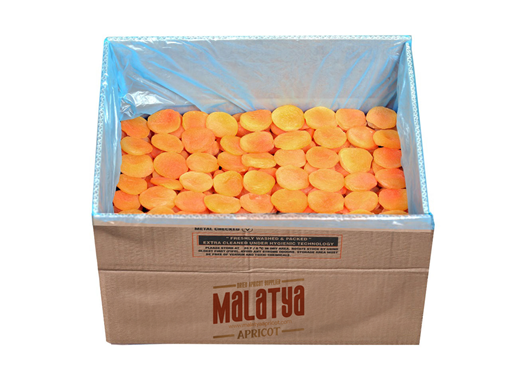
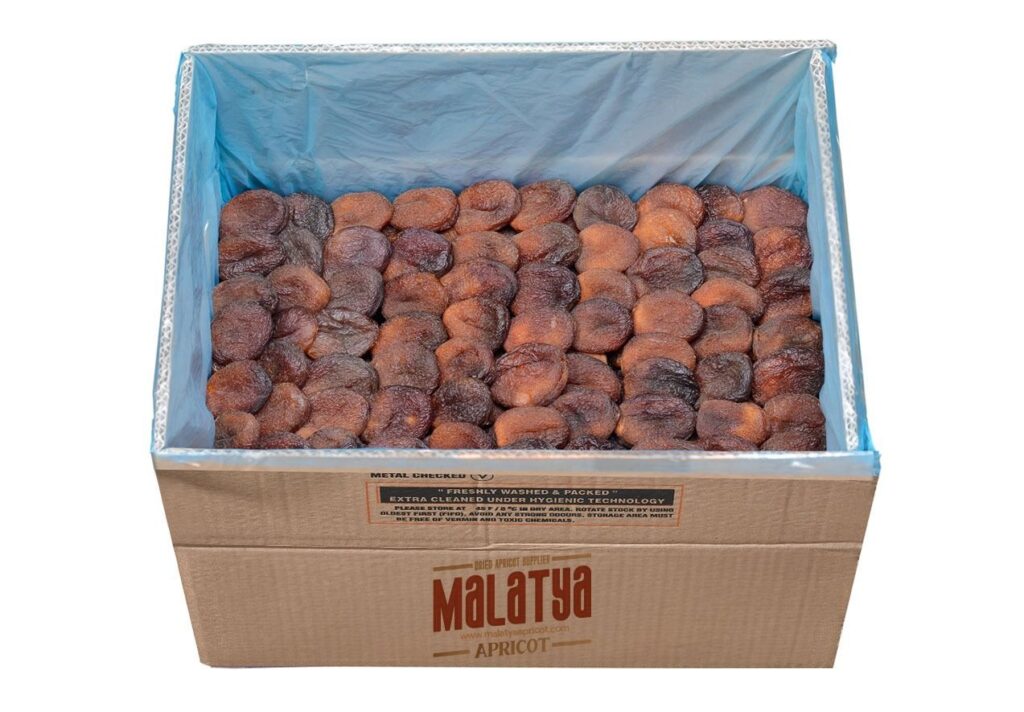
- A range of grades and formats: Buyers can choose from conventional sulfured apricots; natural sun-dried, diced, organic, and industrial grade; depending on what their recipe or product calls for.
- Sun-dried, no preservatives: These apricots are sun-dried with no chemicals or preservatives added, which gives them a darker color and a deeper flavor. Perfect for organic/clean label products.
- Certification and Regulatory Compliance: The facility is certified USDA Organic, EU Organic, BRC, FSSC 22000, Eco and Kosher each batch is laboratory tested before shipment.
- Documentation: The shipment comes with a phytosanitary certificate, health certificate, laboratory test results, and certificate of origin, so there is no problem with customs clearance.
- Shipping worldwide: Malatya Apricot exports to the EU, UK, US, Canada, the Gulf States, Southeast Asia, and parts of Africa, with an export contact assigned to each order.
Whether the need is sulfured apricots for retail packaging or sun-dried apricots for a clean label snack line, Malatya Apricot supplies both, starting from the orchard through to the shipping container.
Final Thoughts
Dried apricots keep proving how flexible they are in the kitchen. They show up in breakfast bowls, slow-cooked stews, baked goods, and simple trail mixes, all while keeping ingredient lists short and recognizable.
As more cooks and brands look for whole-food ingredients they can rely on, working with a supplier that sources directly from farms and provides clear documentation, like Malatya Apricot, makes that a lot easier to do with confidence.