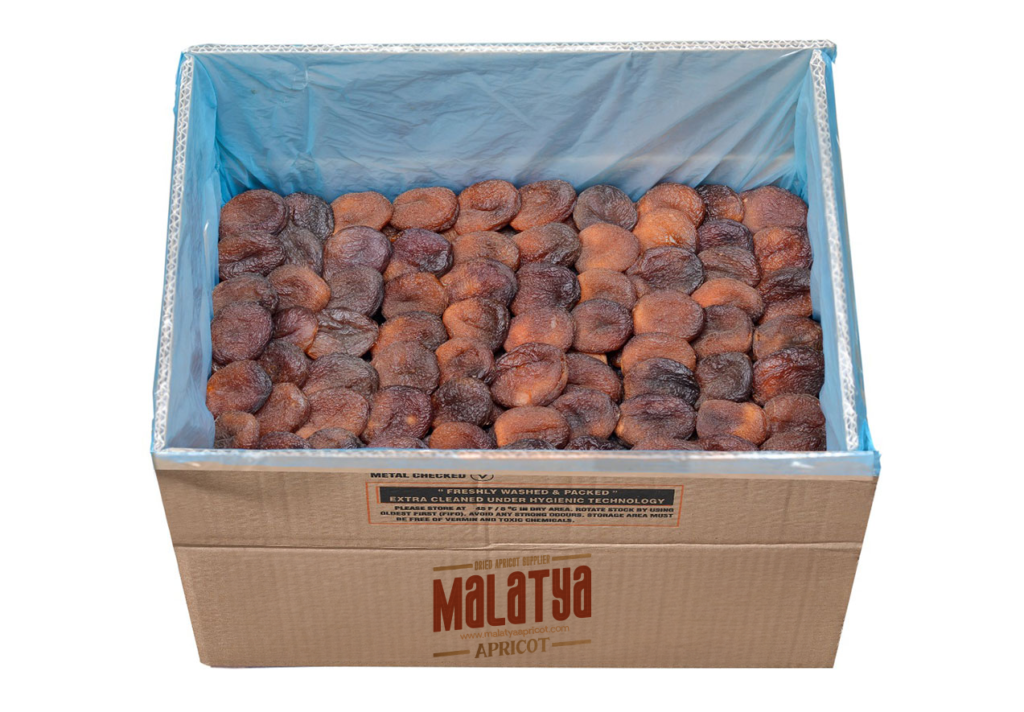
When buying Turkish dried apricots in bulk, begin with the finished product. A retailer selling whole fruit in clear packs may need a narrow size range and a consistent appearance. A snack mix producer may need pieces that distribute evenly with the other ingredients. A manufacturer making a fruit filling may put more weight on cutting performance and usable yield. Describing the application gives suppliers a clearer basis for recommending a size and grade.
Compare fruit count per kilogram
A supplier may quote a numbered size, such as Size 3 or Size 4. Ask for the corresponding fruit count per kilogram and include that range in your purchase specification. A lower count per kilogram means larger fruit on average. The count range helps you compare offers even when suppliers use different names for their sizes.
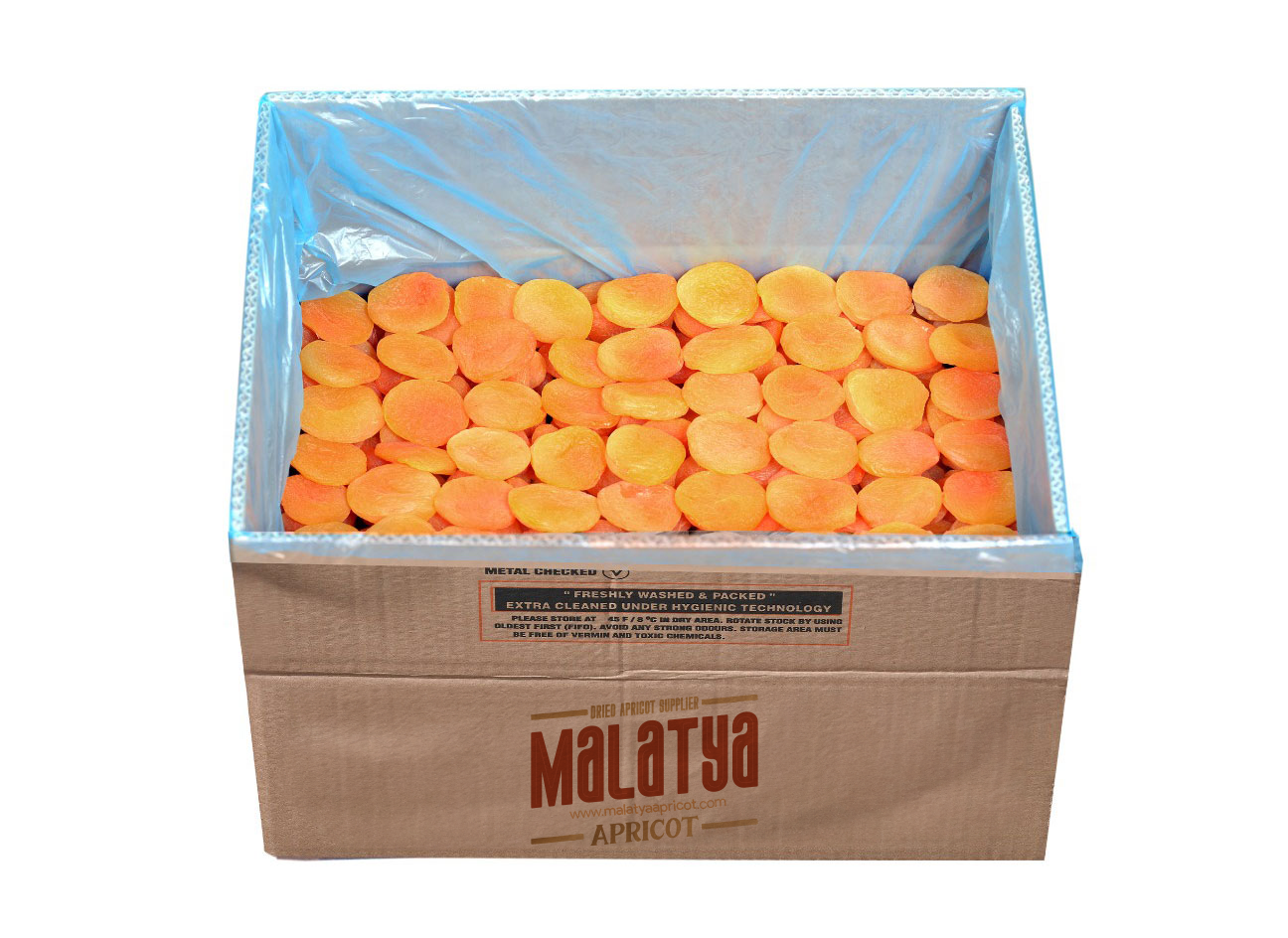
For retail packs, fill several packs at your intended net weight. Check whether the fruit looks consistent from pack to pack and whether the larger pieces fit the pack format. If the visual result matters to your customer, keep a photograph of the approved pack as a reference for the buying and quality teams.
Review the grade criteria in writing
Size describes the fruit count or dimensions. Grade describes the quality criteria applied to the lot. Two offers with the same fruit count may have different allowances for blemishes, damaged pieces or other defects.
Ask for the written grade criteria and identify which attributes affect your product. Marks that are visible in a clear retail pack may be less important for fruit destined for a filling. For a diced ingredient, the shape and condition of the pieces after cutting may matter more to your team than the appearance of the whole fruit.
| Application | What to check before ordering |
|---|---|
| Whole fruit for retail packing | Count per kilogram, size uniformity and appearance in the finished pack |
| Snack mixes | Piece size relative to the other ingredients and distribution in the mix |
| Diced fruit or fillings | Cutting performance, usable yield and the share of pieces outside the target size |
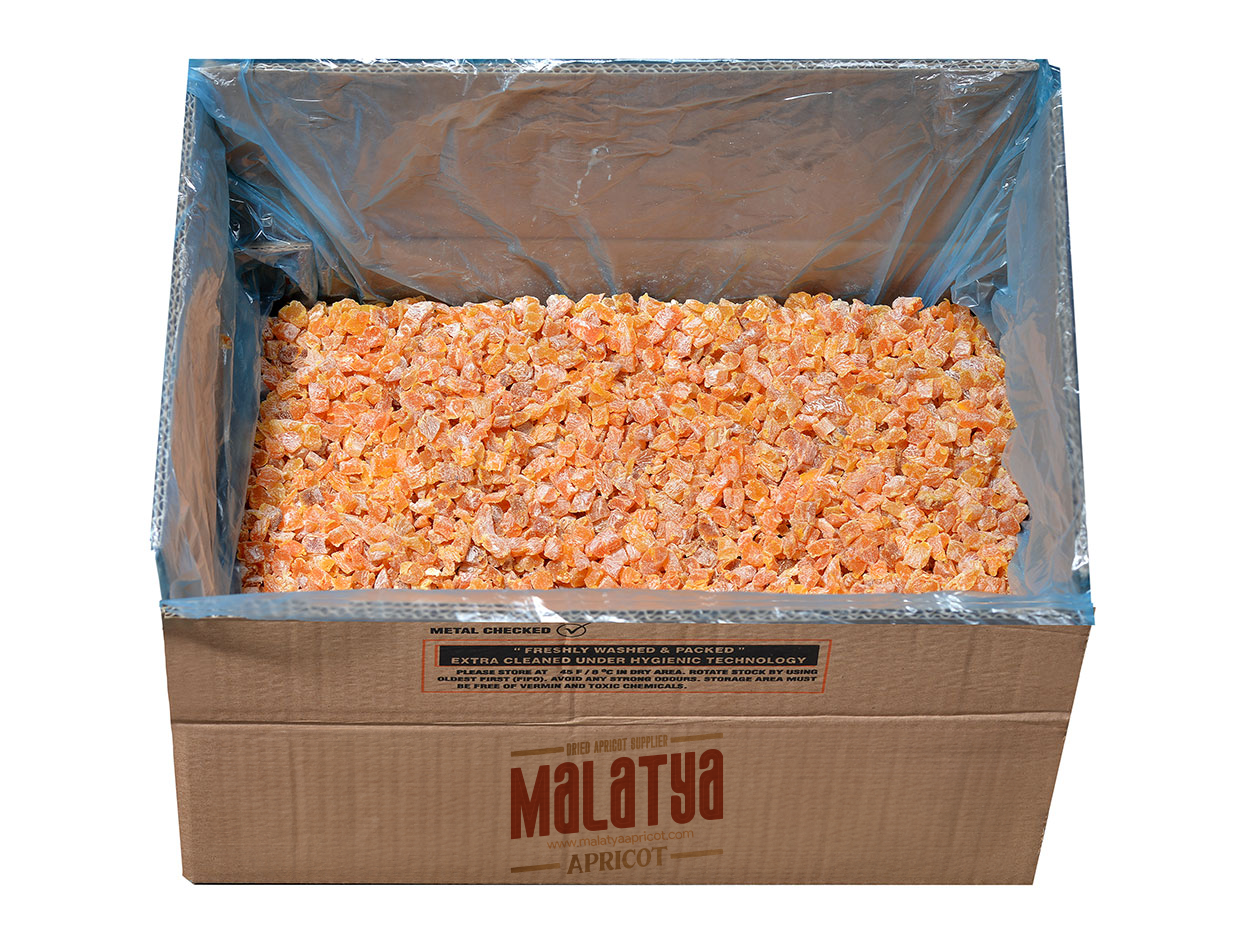
If your application calls for pre-cut fruit, review our diced dried apricots before specifying the cut size.
Factor packaging into the comparison
Packaging affects how your team receives, stores and opens the product. When comparing 5 kg and 12.5 kg cartons, consider how much fruit you use per production batch, how cartons are handled at the receiving site and how opened stock is managed. Include the preferred net weight, liner and labelling requirements in your enquiry so each supplier prices the same format.
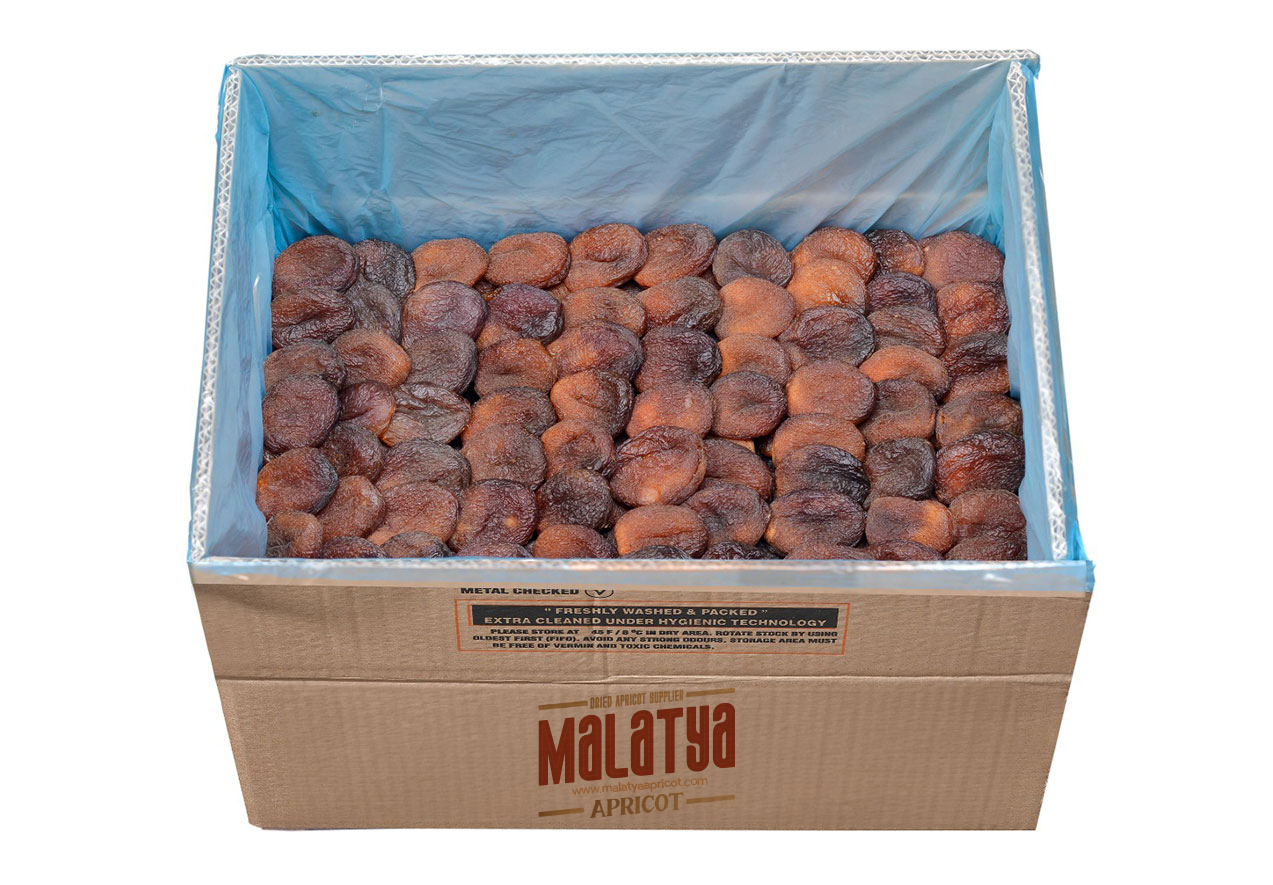
See our packaging page for more information on export packaging.
Compare cost per usable kilogram
If your process requires sorting or trimming, weigh the material you can actually use after a small production trial. For example, suppose a 10 kg trial produces 9 kg of usable fruit and the fruit costs $6 per delivered kilogram. The raw material cost is about $6.67 per usable kilogram, before labour and other processing costs. Using the same trial method for each offer gives you a more useful comparison of the lots.
Before approving a purchase, record the fruit count, grade criteria, packaging, quantity and delivery terms on one specification. Use that same document for quotations, order confirmation and receiving checks. For fruit count ranges and quality grade criteria, see our Turkish dried apricots page.